
Our Focus

Make Water Locally. Make the Decision Intelligently.

Atmospheric water generation is engineered condensation combined with water treatment. Warm humid air supports higher production. Cooler or drier conditions reduce output. Air quality, electrical supply, placement and maintenance also matter.

Across Micronesia, access to dependable drinking water can vary from island to island. Atmospheric water generation provides a locally produced source of clean drinking water by drawing moisture directly from the air.

For homes, businesses, hospitality, government facilities, and remote communities, it offers a practical way to strengthen water independence and reduce reliance on transported water.
The Technology

How Does an Atmospheric Water Generator Work?

An AWG captures a portion of the moisture the atmosphere already carries and converts it into liquid water. Most systems use refrigeration based condensation. The U.S. EPA compares the collection principle to a dehumidifier, while emphasizing that water intended for drinking requires appropriate treatment.

Air intake
Stage 01 Air intake

Stage 01

Air intake

The unit draws ambient air through an intake path. Prefiltration helps reduce dust and airborne particles before the air reaches the condensation stage.

Stage 02

Condensation

The filtered air passes over a cooled surface. When the surface temperature is below the dew point, water vapor changes state and forms liquid droplets.

Stage 03

Collection and purification

The condensate is collected and routed through the system treatment process. This stage matters because water condensed from air should not be assumed sterile.

Stage 04

Storage and dispensing

Treated water is stored for use. Depending on the Skywell model, the system can support different dispensing, monitoring and capacity requirements.

Why Skywell

Why Skywell? Because Drinking Water Deserves More Than a Claim.

The decision to focus on Skywell came down to documented water treatment standards. Skywell publishes a certification set for the Skywell 5 that includes NSF/ANSI 42, 53, 55, 61 and 372.

42

Aesthetic effects

Taste, odor and particulate reduction.

53

Health effects

Specified contaminant reduction claims.

55

UV treatment

Ultraviolet microbiological performance.

61

Material safety

Components in contact with water.

372

Lead content

Lead content limits for components.

Important: certification applies to the products, components and claims covered by the relevant listing. It should never be presented as a blanket guarantee for every possible contaminant or every Skywell model. AWG Micronesia will provide current manufacturer documentation for the system being considered.

REGIONAL WATER SOLUTIONS

Water Independence Across Micronesia.

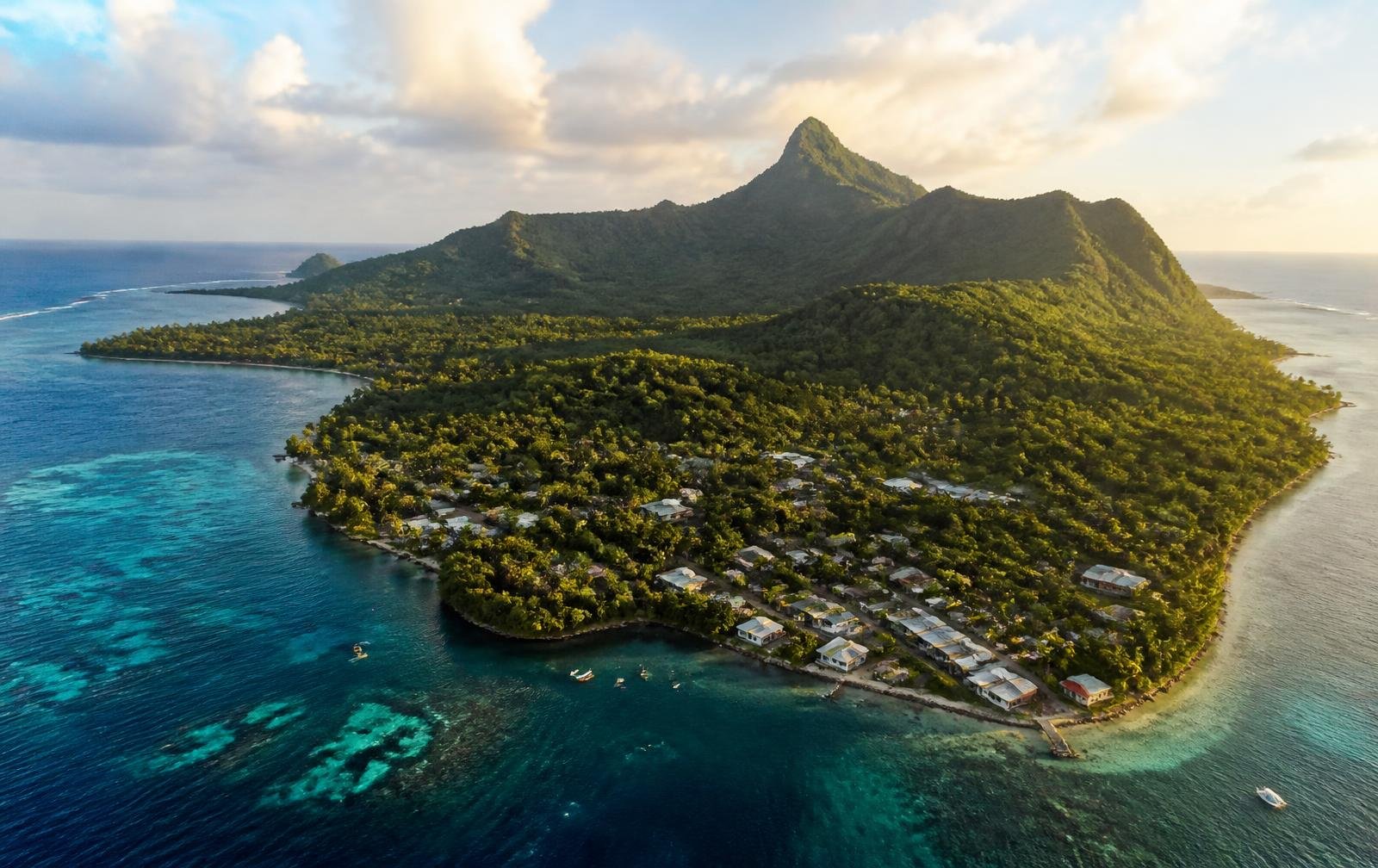
Across Micronesia, access to dependable drinking water can vary from island to island. Atmospheric water generation provides a locally produced source of clean drinking water by drawing moisture directly from the air.

For homes, businesses, hospitality, government facilities, and remote communities, it offers a practical way to strengthen water independence and reduce reliance on transported water.
Our Approach

No Pressure. No Mystery. Just the Right Questions.

A household has different needs from a school. A hotel has different peak demand from an office. The right AWG decision starts with the right context.

  • 01
    Where will the system operate?
  • 02
    How much drinking water is needed on a typical day?
  • 03
    Will the unit be indoors or outdoors?
  • 04
    What power is available at the site?
  • 05
    Is the goal everyday hydration, reduced delivery dependence or added resilience?
  • 06
    Is purchase or rental the better fit?